https://www.cthirty.com/the-ultimate-towel-warmer-guide-maintenance-troubleshooting-and-optimization/
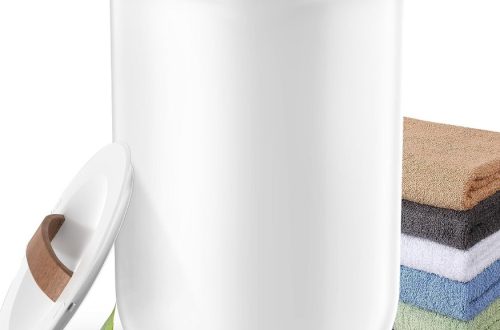
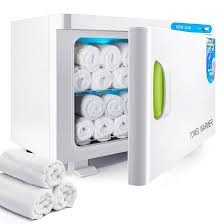
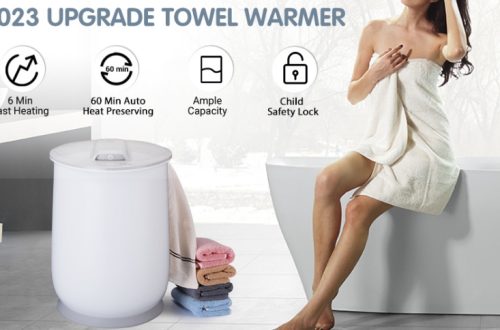
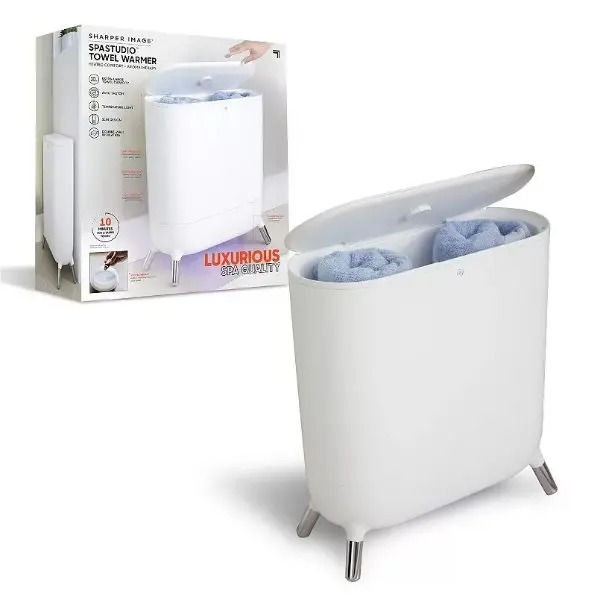
A towel warmer is undoubtedly a magical little gadget that enhances your life. It keeps your towels warm and dry. However, like any household appliance, improper use can turn it from a convenient tool into a potential health hazard. Do you think that just plug it in and everything will be fine? It’s time to re-evaluate your usage habits.
Misconception 1: To save time, pile up towels
Mistake: You want to dry multiple towels at once, so you pile them on the heater, even mixing bath towels and clothes together.
Potential hazards:
A breeding ground for bacteria: Due to poor drying performance, heat cannot penetrate the thick pile of towels, causing the inside to remain damp, providing a perfect breeding ground for bacteria and mold.
Inefficiency: Your attempt to save electricity may backfire. Heat is blocked, drying takes longer and more electricity is wasted.
Safety hazard: Excessive stacking may cause local overheating of the equipment, damage internal components, or even cause a fire.
Do it right: Always hang towels or clothing flat or in a single layer over the heater to ensure that heat and air reach everywhere evenly.
Misconception 2: Not cleaning for a long time and allowing dirt to accumulate
Mistake: You think your towel warmer isn’t an oven and doesn’t need regular cleaning.
Potential hazards:
Secondary pollution: Bathrooms are humid and dusty, and towel warmers are prone to accumulating dust, scale, and soap scum. These dirt can be transferred to your clean towels, posing a threat to skin health.
Corrosion damage: Long-term accumulation of scale and chemical residues will corrode the surface coating of the towel rack, causing rust and shortening the service life of the product.
The Right Way: Wipe the surface of your towel warmer regularly (weekly is recommended), just like you would a mirror or faucet, with a soft cloth and mild detergent.
Myth 3: Use it to dry anything
Mistake: You’re using the towel warmer as a dryer, drying everything from synthetic fabrics to clothes with plastic or rubber.
Potential hazards:
Toxic gases: Certain synthetic fibers or plastics may decompose under high temperatures, releasing harmful chemicals that pollute bathroom air and pose a threat to respiratory health.
Item damage: High temperatures can cause items to warp, melt, or discolor, such as the elastic material on a swimsuit or delicate lacy lingerie.
Correct method: Towel warmers are mainly used to dry natural fiber products such as cotton and linen. Before drying clothes made of special materials, be sure to read the washing label .
Misconception 4: Treat it as a children’s toy
Wrong behavior: You think the surface temperature of the towel warmer is not high enough to harm your child.
Potential hazards:
Low-temperature burns: Although the surface temperature is within a safe range, prolonged contact may still cause low-temperature burns to children’s delicate skin.
Accidents: Children may pull on the towel rack, causing it to fall over, or insert foreign objects into the socket, causing electric shock.
Correct approach: Install the towel warmer out of reach of children and strengthen safety education for children.
Conclusion
Towel warmers are a wonderful invention for modern home life, but they can only truly be a health protector if used correctly. Take a moment to review your usage habits and make sure you’re not making these mistakes. This way, you can maximize the effectiveness of your towel warmer and protect your family’s health.
https://www.cthirty.com/the-ultimate-towel-warmer-guide-maintenance-troubleshooting-and-optimization/